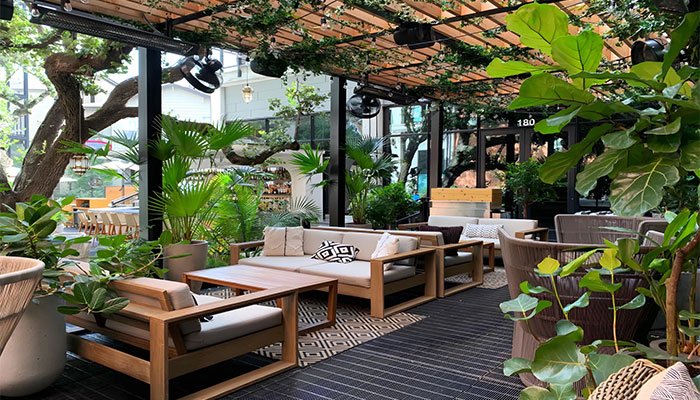
Is your outdoor area craving a transformation? Perhaps you’ve been exploring landscape design concepts and are contemplating enlisting the expertise of a landscape architect or designer. Maybe you’re keen on delving deeper into the overarching concept of landscape design (which bears resemblances to interior design in many aspects). One crucial point to grasp is that your landscaping endeavor should mirror your preferences. Are you in need of a pergola to offer shade? Or do you envision vibrant flower beds teeming with annuals and perennials? “Let your lifestyle and desired usage of the space dictate its contents, whether that entails an outdoor kitchen for cooking enthusiasts or a fire pit for frequent entertainers,” advises Melissa Gerstle, the founder and principal at Melissa Gerstle Design in Dallas, listed in the AD PRO Directory. Armed with your preferences, you can delve deeper into the fundamentals of landscape design.
Exploring Landscape Varieties
Kristin Monji, founder and principal at Birch and Basil Design in New York City, advises taking a moment to consult the United States Department of Agriculture’s Plant Hardiness Zone Map before committing to a specific landscape design for your living area. “There is considerable variation even within a state, but once you know your zone, garden center staff can guide you toward plants that thrive in your environment,” Monji suggests. You may opt for low-maintenance or drought-tolerant options or decide to exclusively feature native plants. Here are several backyard landscaping design ideas worth considering.
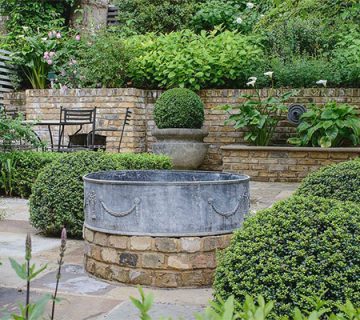
English Garden
Characterized by sharply defined hedges, water features, walkways, and structures like pergolas and trellises adorned with climbing vines, an English garden exudes a formal ambiance. “You’ll find an abundance of plant materials, particularly perennials, giving it a more intricate appearance,” notes Gerstle.
Modern Garden
A modern garden embraces a minimalist, clutter-free aesthetic. “It’s shaped by the spatial arrangement and choice of materials, as well as the selection of plants, which are carefully curated,” elaborates Gerstle.
Woodland Garden
Abundant ground cover, dense foliage, and the shelter of trees evoke the serene atmosphere of a forest. This type of garden often attracts various bird species, and its naturalistic appearance typically requires less maintenance than its formal counterparts. “Woodland gardens possess a mystical allure, capable of transporting one to a seemingly wild, hidden sanctuary,” remarks Candice Bertalan, founder and principal at Tropic of Capricorn in Austin.
Eco-Friendly Garden
Sustainable gardens, spanning various styles, prioritize eco-conscious features such as native plants, especially those that attract pollinators, rainwater harvesting systems, vegetable patches, and wild lawns rather than meticulously manicured ones. The term “xeriscape” is often used to describe these spaces. “Xeriscaping involves selecting drought-tolerant plants, reducing or eliminating the need for irrigation,” explains Bertalan.